


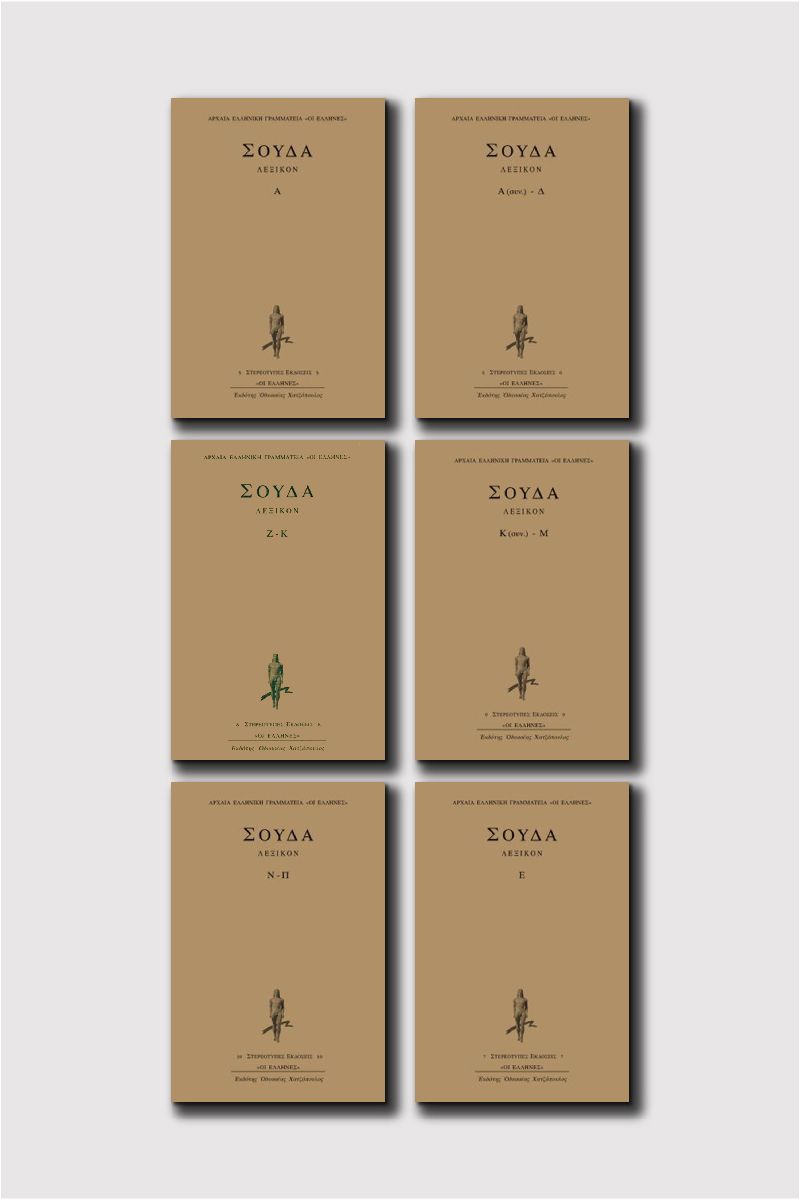
The Suda Collection (8 Volumes)

Original price was: 159,20 €.63,68 €Current price is: 63,68 €.
Previous lowest price was 63,68 €.
The great linguistic and encyclopedic lexicon of the 10th century!
The Suda Lexicon, one of the most important Greek dictionaries or encyclopedias, includes entries from earlier lexicographers, notes from ancient commentators, and excerpts from authors of classical and late antiquity, as well as the Byzantine period.
- Description
- AUTHOR
Description
This collection is in Ancient Greek language solely
Somewhere between a grammar dictionary and an encyclopedia as we know them today, the Suda Lexicon (also known as the Suda), with its 30,000 entries, is an exceptionally rich source of information on the Greek world up to the 10th century AD.
Above all, this major encyclopedic work preserves a wealth of excerpts from the works of earlier authors that would otherwise have been lost.
The compiler’s sources include earlier dictionaries (such as those by Arpocration or Hesychius, also available from KAKTOS Editions) and biographical works (such as that of Diogenes Laërtius), as well as a wide variety of commentaries on ancient authors and on his contemporaries. As a result, his lexicon has become a key reference work for figures who played a role in the political, ecclesiastical, and literary history of the Eastern Mediterranean up to the 10th century.
The lexicon is organized not strictly alphabetically, but according to a system of “correspondence,” in which entries follow a phonetic sequence. For example, entries beginning with “αι” are listed after those beginning with “ε.”
Paradoxically, although the Suda left us such a valuable and extensive work, we know very little about the compiler himself. It is believed that he lived in Constantinople and was probably a church official devoted to literary studies. Recent research questions whether the name “Suda” actually refers to the lexicon’s compiler, yet the origin of the lexicon’s name remains unknown.
The Suda Lexicon consists of eight volumes, in the language in which it was written (10th-century Ancient Greek):
Volume 1 – Α
Volume 2 – Α to Δ
Volume 3 – Ε
Volume 4 – Ζ to Κ
Volume 5 – Κ to Μ
Volume 6 – Ν to Π
Volume 7 – Π to Σ
Volume 8 – Τ to Ω
Ποιος έγραψε το λεξικό Σούδα;
RELATED ITEMS
-
Complete Works – Lucian (17 volumes)
Original price was: 297,80 €.89,34 €Current price is: 89,34 €.Previous lowest price was 89,34 €.
-
Apollonius of Tyana collection
Original price was: 61,00 €.23,90 €Current price is: 23,90 €.Previous lowest price was 23,90 €.
-
Nikomachean Ethics (3 volumes)
Original price was: 57,49 €.25,90 €Current price is: 25,90 €.Previous lowest price was 25,90 €.
-
Photius Collection (3 volumes)
Original price was: 59,70 €.41,79 €Current price is: 41,79 €.Previous lowest price was 41,79 €.
-

Hermes Trismegistus collection
Original price was: 78,71 €.34,90 €Current price is: 34,90 €.Previous lowest price was 34,90 €.
-
Herodian – Complete Works (3 volumes)
Original price was: 49,80 €.29,88 €Current price is: 29,88 €.Previous lowest price was 29,88 €.
-
Commentary on Plato’s Republic (6 volumes)
Original price was: 123,10 €.73,86 €Current price is: 73,86 €.Previous lowest price was 73,86 €.
-
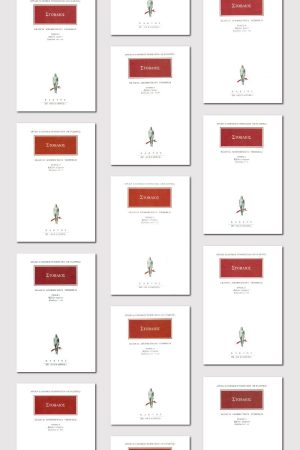
Stobaeus full works (18 volumes)
Original price was: 303,40 €.182,04 €Current price is: 182,04 €.Previous lowest price was 182,04 €.
-
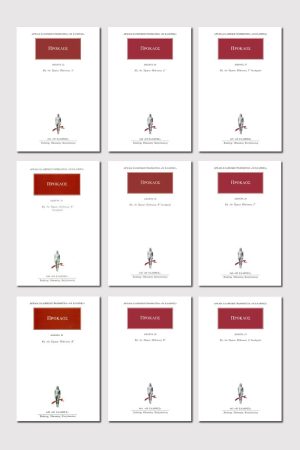
Commentary on Plato’s Timaeus
Original price was: 186,40 €.111,84 €Current price is: 111,84 €.Previous lowest price was 111,84 €.
-
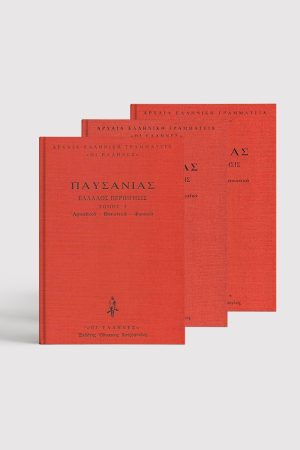
Pausanias Collection – Hardbound (3 volumes)
Original price was: 139,80 €.24,90 €Current price is: 24,90 €.Previous lowest price was 24,90 €.